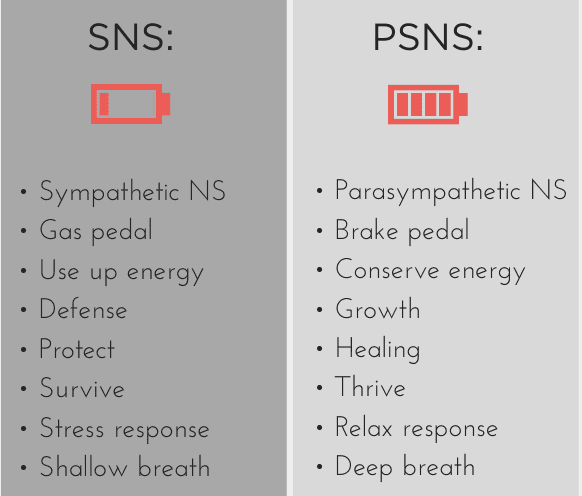
The parasympathetic nervous system is one of the two branches of the autonomic nervous system, which is responsible for regulating automatic bodily functions such as heart rate, breathing, and digestion. The parasympathetic nervous system is responsible for the “rest and digest” response, which helps the body to calm down and conserve energy.
The parasympathetic nervous system is activated during times of relaxation and low stress, and helps to lower heart rate, decrease blood pressure, and increase digestion and other bodily functions related to rest and relaxation. It is responsible for many of the body’s restorative processes, including repairing and regenerating tissues, as well as promoting healthy sleep.
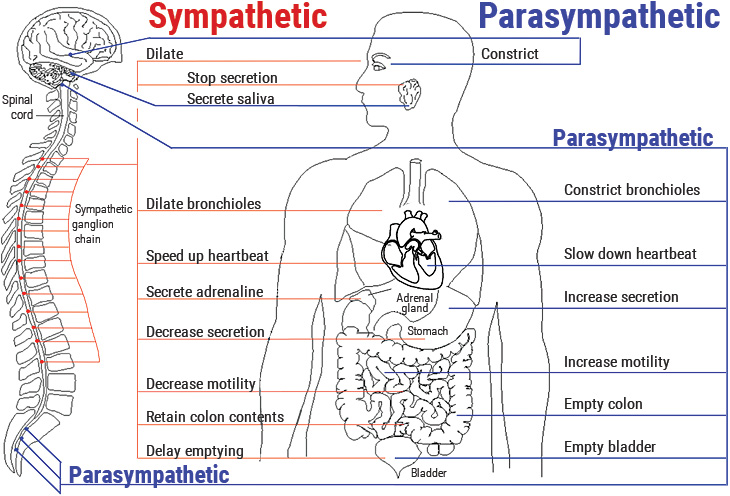
Some of the key functions of the parasympathetic nervous system include regulating the digestive system, stimulating salivation, slowing heart rate, constricting pupils, and relaxing the bladder. When the parasympathetic nervous system is functioning properly, it helps to maintain a healthy balance in the body’s automatic functions and promotes overall well-being.
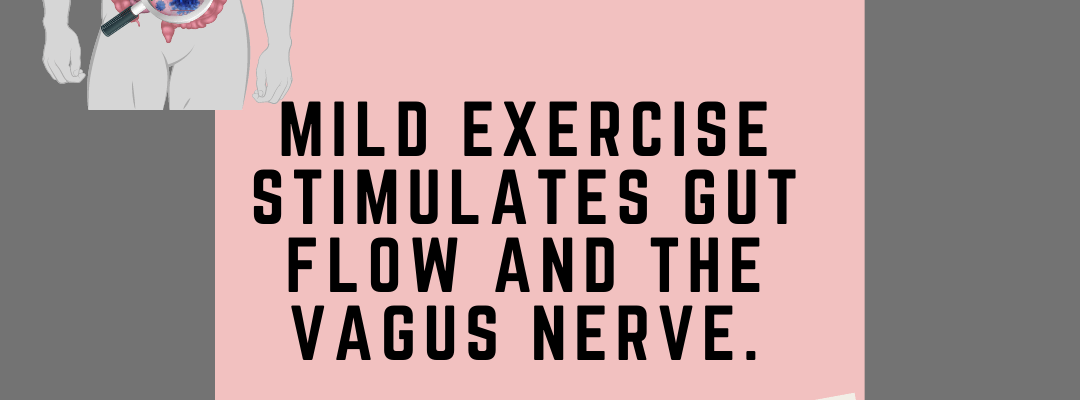
However, chronic stress and anxiety can disrupt the parasympathetic nervous system, leading to a range of physical and mental health issues. Therefore, it is important to engage in activities that promote relaxation and stress reduction, such as mindfulness practices, deep breathing, and exercise, in order to support the proper functioning of the parasympathetic nervous system.
 Linda C J Turner | Trauma Therapist & Emotional Healing Specialist